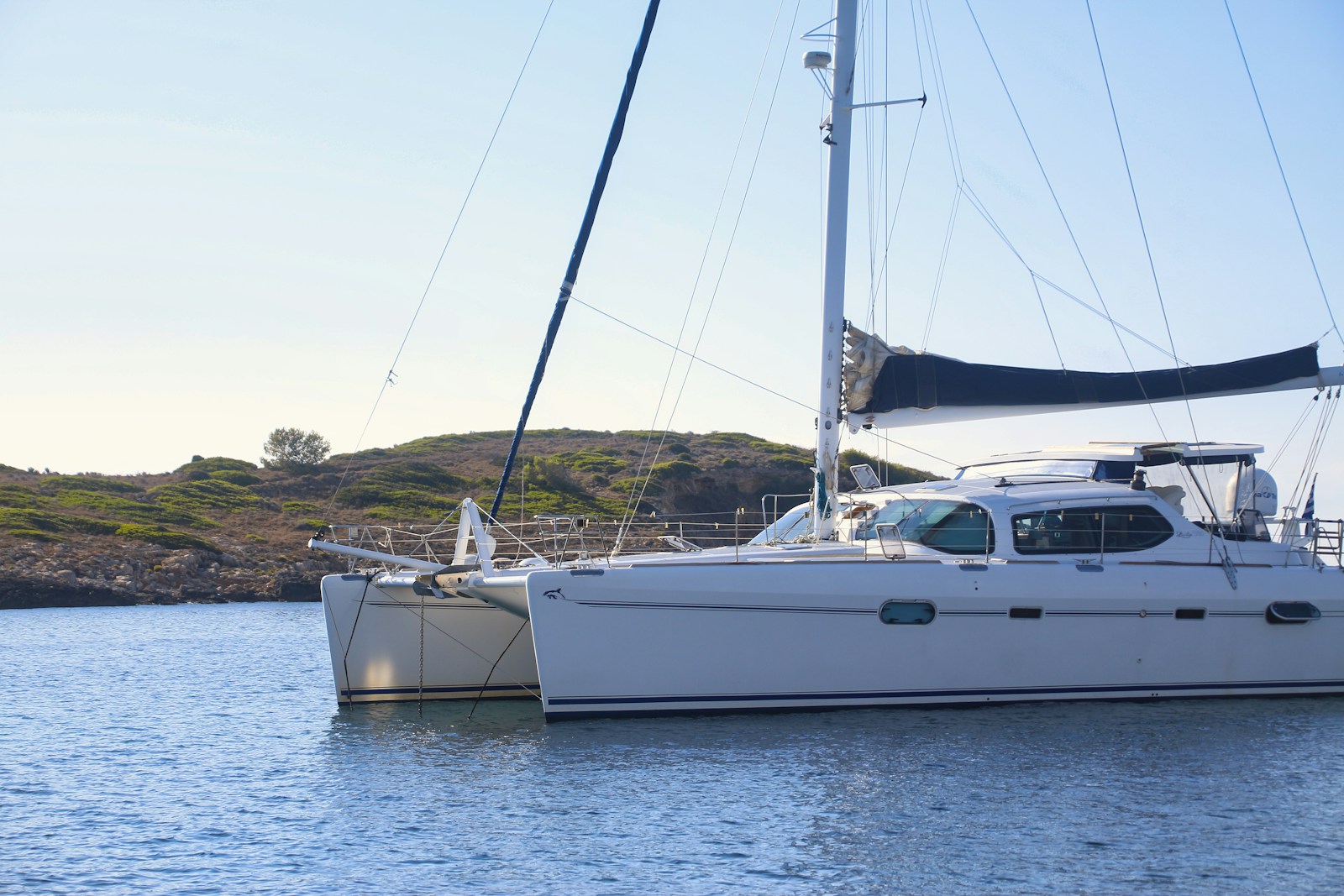
Chartering a catamaran offers unparalleled freedom to explore coastlines and islands at your own pace. With stable platforms, spacious living areas, and shallow drafts perfect for anchoring in secluded bays, catamarans are ideal for first-time charterers. Here’s everything you need to know to book your first sailing adventure.
Step 1: Decide Between Crewed and Bareboat
Bareboat Charter
You captain the vessel yourself. This option requires sailing certification and experience. You are expected to present credentials such as ASA 104, RYA Day Skipper, or equivalent certifications. You’ll also need to demonstrate competence through a resume of sailing experience.
Best for: Experienced sailors who want complete independence and lower costs.
Average cost: $3,000-$8,000 per week, depending on size and season.
Crewed Charter
A professional captain and often a chef/hostess handle navigation, cooking, and logistics while you relax. The crew is familiar with local waters, the best anchorages, and hidden gems.
Best suited for: First-time charterers, families, or anyone seeking a luxurious and stress-free experience.
Average cost: $15,000-$50,000+ per week, all-inclusive with meals and activities.
Skippered Charter (Middle Ground)
You hire just a captain who sails the boat while you help and learn. You handle your own meals and provisions.
Average cost: $5,000-$12,000 per week plus provisioning.
Step 2: Choose Your Destination
Popular first-timer destinations offer reliable weather, easy navigation, and excellent infrastructure.
British Virgin Islands: Protected waters, short distances between islands, consistent trade winds. The gold standard for beginner charters.
Greece (Cyclades or Ionian): Stunning scenery, calm Ionian seas for beginners, or more adventurous Cyclades sailing. Rich history and incredible food.
Croatia: Beautiful Dalmatian coast with hundreds of islands, medieval towns, and affordable pricing compared to other Mediterranean destinations.
Bahamas: Located near the US, with crystal-clear waters, it makes for an excellent destination for families. The Exumas offer spectacular snorkeling and swimming with pigs.
Caribbean (St. Martin/St. Barths): Upscale atmosphere, French cuisine, and reliable conditions. More developed than the BVIs.
Read More: Gadgets That Make Beach and Boat Trips Better
Step 3: Determine Your Budget
Charter costs vary dramatically based on season, destination, and vessel size. Budget for:
Charter fee: Your weekly rental rate (highest cost)
Provisioning: $150-300 per person per week for groceries and drinks
Marina fees: $50-150 per night if you dock (optional; anchoring is free)
Fuel: $200-500 per week for motoring and generators
Gratuity: 15-20% of charter fee for crewed vessels
Travel insurance: 5-7% of total trip cost (highly recommended)
High season (December-April in the Caribbean, July-August in the Mediterranean) costs 30-50% more than low season.
Read More: Money-Saving Tips for Beach Vacations
Step 4: Find a Reputable Charter Company
Start with established charter companies:
The Moorings: Industry leader with worldwide locations and excellent support for first-timers.
Dream Yacht Charter: Large fleet, good prices, multiple destinations.
Sunsail: British company with a solid reputation and comprehensive insurance options.
Navigare Yachting: Smaller operation with personalized service.
Work directly with companies or use charter brokers (at no extra cost to you) who can match you with the perfect vessels and negotiate deals.
Step 5: Select the Right Size
Catamaran size is measured in feet. Consider your group size and comfort level:
38-40 feet: 3 cabins, 6-8 people. Most affordable, easier to handle solo.
42-45 feet: 4 cabins, 8-10 people. Sweet spot for comfort and maneuverability.
48-52 feet: 5-6 cabins, 10-12 people. Spacious but requires more experience to handle.
Count couples and small children as one “person” for sleeping arrangements. Each cabin typically has a private bathroom (head).
Step 6: Book Early and Get Certified
Timing: Book 6-12 months in advance for the high season, 3-6 months in advance for the shoulder season. Last-minute deals exist, but limit choice.
Certifications needed for bareboat:
- ASA 104 (Bareboat Cruising) or RYA Day Skipper minimum
- Sailing resume showing relevant experience
- VHF radio license (required in some countries)
If you are uncertified but interested in bareboat chartering, consider taking courses through ASA or RYA schools. Budget $1,500-2,500 for full certification.
Step 7: Prepare for Departure
Before you go:
- Study charts of your sailing area
- Download navigation apps (Navionics, Aqua Map)
- Create a flexible itinerary with backup anchorages
- Make a detailed provisioning list
- Confirm all documentation and insurance
- Check weather forecasts regularly
Upon arrival:
- Attend the detailed boat briefing (usually 2-3 hours)
- Test all systems before departing the dock
- Do a short shake-down sail if bareboat chartering
- Review safety equipment locations
Final Tips for Success
Start conservatively. Don’t plan to sail for 8 hours a day. Two to three hours of sailing with relaxation time is perfect.
Build in flexibility. Weather changes plans. Have alternative anchorages and be willing to stay put if conditions are poor.
Communicate expectations. If crewed, be clear about preferences for meals, activities, and privacy. If bareboat with friends, assign roles beforehand.
Embrace the experience. Things won’t go perfectly, and that’s part of the adventure. Broken plans often lead to the best memories.
Chartering a catamaran is one of the most rewarding ways to vacation. With proper planning and realistic expectations, your first charter will be the beginning of a lifelong love affair with sailing.
Read More: How to Avoid Seasickness (and Recover Fast)