Choosing river cruises vs ocean cruises completely transforms your holiday experience. These are not just two different bodies of water; they represent completely different travel mindsets. Sea cruises are all about megaships, onboard facilities, and ocean voyages between ports.
River cruises are all about experiencing culture, scenery constantly changing, and docking in the heart of cities. Knowing these differences in river cruises enables you to choose the right experience for your holiday lifestyle, budget, and travel goals. Let us take you step by step through what exactly makes them so different.
Vessel Size and Passenger Capacity
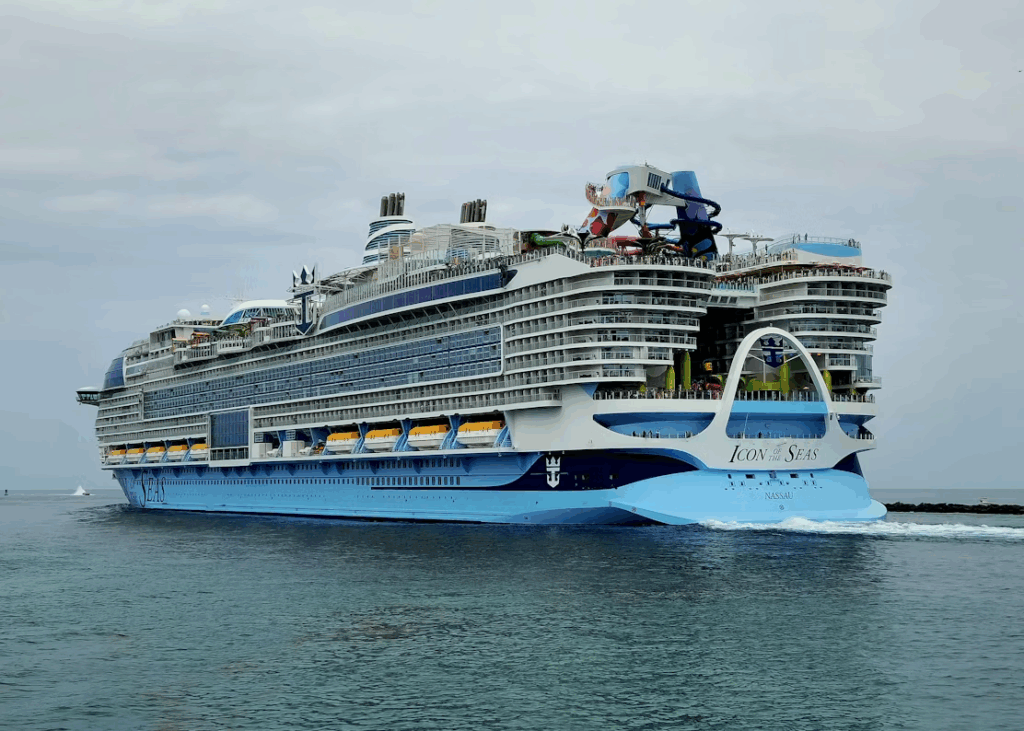
Ocean cruise liners are resort barges that carry 2,000 to 6,000 passengers, but megaships carry over 8,000 passengers. The ships have multiple decks for casinos, theaters, water parks, and shopping malls. Ships such as Royal Caribbean’s Wonder of the Seas or Carnival’s Mardi Gras offer a destination and entertainment center in one huge package.
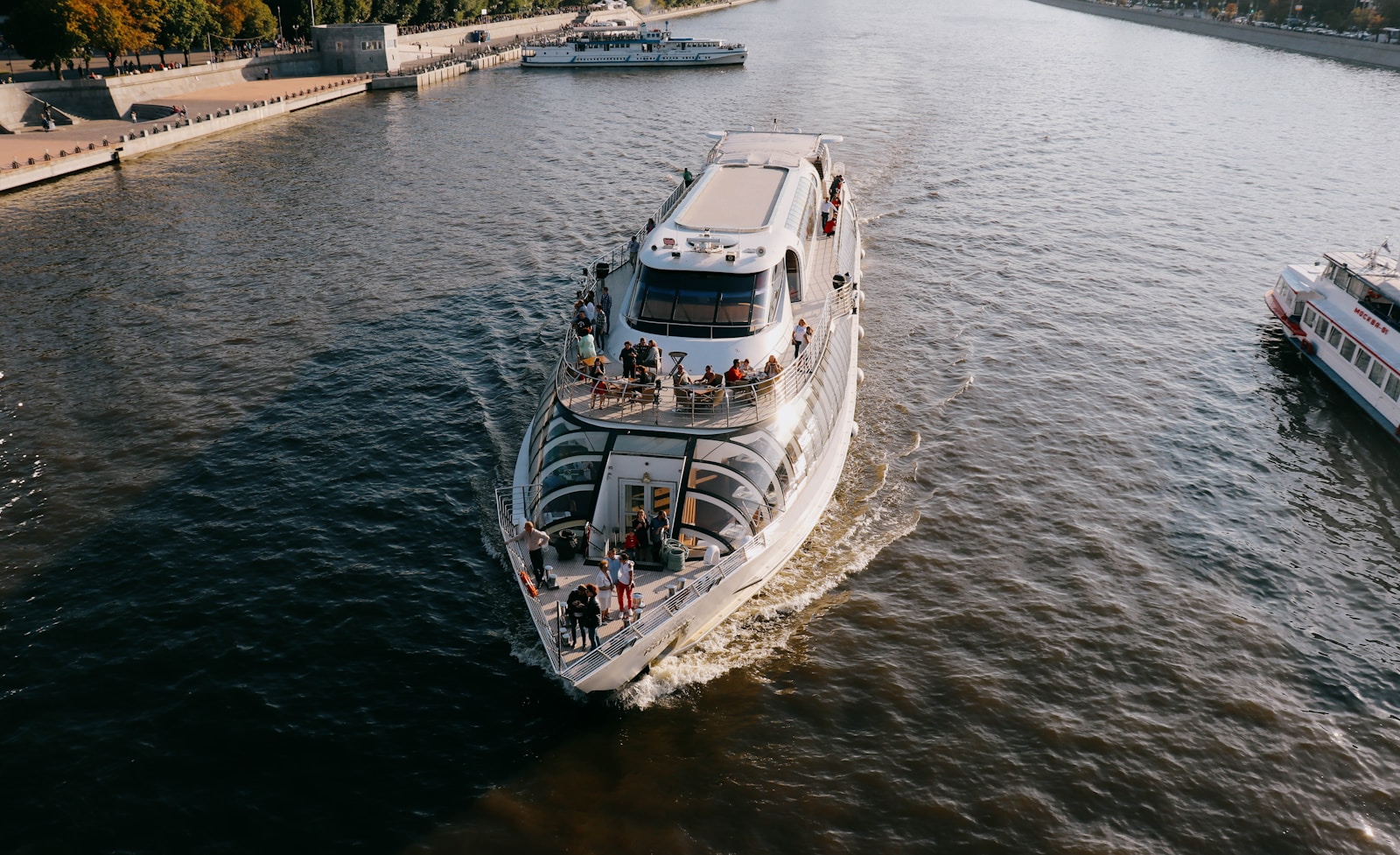
Riverboats typically have a capacity of 100 to 200 passengers, limited by the size of river locks and bridge clearances. AmaWaterways and Viking River Cruises operate sleek ships, typically four decks high, with intimate dining salons and single seating. You’ll know your fellow travelers by their first names after just a few days; the boutique hotel atmosphere is more than just a cold impersonal resort.
Maine size differences are:
- Ocean ships: 100,000+ tons gross, 15+ decks, thousands of passengers
- Riverboats: 1,000-5,000 tons, 3-4 decks, fewer than 200 passengers
- Dining: Sea ships have numerous restaurants; river ships have a single or double
- Atmosphere: Sea cruises are Vegas; river cruises are inns of luxury
River cruising’s small, intimate nature removes lines, crowds, and the staggering profusion that tires some sea cruise travelers.
Read More: Themed Cruises You Didn’t Know Existed
Cost and Value Considerations
River cruises are higher-end, with plans ranging from $250 to $500 per person per night for nice European river cruises and more than $700 per night for premium cruise companies. That should include shore excursions, beverages with meals, WiFi, and tips. A seven-night Danube cruise could cost between $3,500 and $7,000 per person, inclusive.
Ocean cruises are pricier. Value brands such as Royal Caribbean and Carnival typically start at $100 to $200 per night per person for inside staterooms with no amenities. Luxury ocean ships approach river cruise prices but sometimes leave out as much. In an apples-to-apples comparison of river cruises vs ocean cruises, include excursions, beverage packages, specialty dining, and gratuities in base ocean cruise prices for a cost comparison.
The cost is on the river cruise side for people who hate nickel-and-diming. Ocean cruises are suitable for budget travelers who will forgo frills or family travelers with children who travel free on bargains. Consider your total cost of expectation, not just advertised prices, before deciding which one offers more value for your holiday taste.
Read More: Adventure Cruises: Beyond Lounging by the Pool
Scenery, Itineraries, and Port Access
River cruises sail teeny-tiny rivers deep in Europe, the Mekong River of Southeast Asia, or Egypt’s Nile. Castles, vineyards, and villages will drift lazily by the outside of your cabin window. City-center docking, step off in Vienna, Cologne, or mid-town Budapest without tender ships or shuttle buses. A day with multiple port stops is typical, offering maximum cultural immersion.
Ocean cruises entail open sea between ports with an infinite horizon and stunning sunrises, but dull seascape hours. Ports such as Cozumel, Barcelona, or Santorini provide commercial port docking or tender ships outside city centers. You will experience fewer ports but more sea days, where onboard activities occupy your time.
The ocean cruise contrast is absolutely right in that it identifies they fit beach port stops, island resorts, and those who like sea days for relaxation or shipboard activities. River cruises thrive on European cultural immersion, stunning scenery, and tourists who would rather visit new ports each day than spend a lot of time onboard.
Ocean cruises feature Vegas-style entertainment, Broadway productions, comedy clubs, six pools, rock climbing walls, ice skating, and theme parties. Kids are engaged by kids’ clubs, water parks, and various activities. After-dark entertainment extends into the nighttime, with activities such as nightclubs, casinos, and 24-hour restaurants. The vessel is the destination.
River cruising is cultural immersion. Check for onboard presentations on the area’s history, local music performed by local musicians, and regional specialties cooked in cooking demonstrations. Evenings are low-key, a pianist at cocktail hour, for example. It’s all about ports, with a ship merely providing hassle-free travel between cultural episodes and not an entertainment center.
Shore excursions are an entirely different scenario. Ocean cruises offer package excursions as an option, prompting tourists to disembark the ship themselves or skip ports altogether. River cruises offer daily walking tours, with bike and hike tours available as complimentary alternatives. For the guest who desires a hassle-free experience without making decisions dozens of times.
Ideal Traveler Profiles
River cruises target history- and culture-focused travelers aged 55 and above who are interested in learning, European history, and relaxing more than enjoying a party atmosphere. Such tourists like the extra amenities, smaller crowds, and trouble-free logistics. River cruising is mobility-impaired friendly as everything is on one deck and no tenders are ever utilized.
Ocean cruises are appealing to a diverse range of families, multi-generational groups, budget-conscious travelers, and anyone seeking variety in port stops and onboard activities. Young adult visitors, those seeking nightlife, and gamblers are more budget-conscious. The diversity of shipboard amenities is attractive to a broad spectrum of travelers with diverse interests.
Neither is for independent travel with discovery on your own nor adventure travel to unlisted ports. Both sail on predetermined itineraries with minimal flexibility for change once booked.
The choice between ocean cruises and river cruises is based on whether you want in-your-face cultural exposure or an open-armed experience on board. River cruises offer Old World charm, all-inclusive amenities, and seemingly unlimited scenic views at astronomical costs. Ocean cruises offer more family value, more to entertain you, and island itineraries for an unbeatable price.
Your best option is simply what you’ll enjoy most: port stops and cultural immersion, or activities on board and activities at sea. Neither is inherently better; they simply resonate with different types of travelers. Pick the one most descriptive of your last vacation, and you’ll sail with confidence.
Read More: Luxury Cruise Lines Compared: Which One Fits You Best?